How to Create Better Task Ownership in Cross-Functional Projects for Malaysian Teams
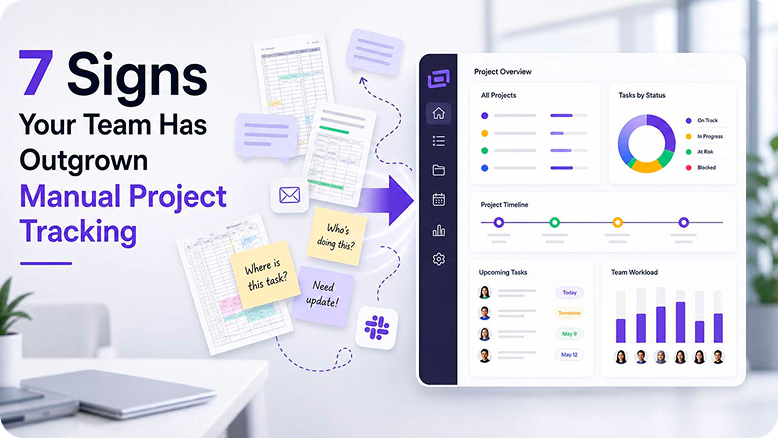
Cross-functional projects are where many growing businesses start to feel the limits of informal teamwork. Sales needs input from operations. Marketing waits for product details. Admin needs approval from management. Finance may need supporting documents before anything can move. Everyone is involved, but sometimes nobody is clearly responsible for the next step. For Malaysian SMEs, this is common when teams grow faster than their internal systems. The business may still rely on verbal updates, WhatsApp reminders, and shared spreadsheets. These methods can work for simple tasks, but cross-functional work needs clearer ownership because responsibility is spread across departments. Better task ownership does not mean pushing more pressure onto staff. It means designing the workflow so every person knows what they own, what they depend on, and when to hand over work properly.
Why Task Ownership Becomes Confusing
Ownership becomes unclear when a task is discussed as a group responsibility but not assigned as an individual responsibility. For example, a project note might say "marketing to prepare campaign materials." But who in marketing owns the first draft? Who reviews it? Who sends it to sales? Who confirms the final version? The problem is not the team's attitude. Most people want to do good work. The problem is that the system leaves too much room for interpretation. Common causes include:
When this happens often, projects become slower and more stressful than they need to be.
Start With One Clear Owner Per Task
Every task should have one direct owner. This does not mean that person does all the work alone. It means that person is responsible for moving the task forward and making sure the next action is clear. A task can have collaborators, reviewers, and approvers, but it should not have five owners. When everyone owns it, nobody owns it. A simple rule works well: if a manager asks about the status, one person should be able to answer clearly. That owner should know whether the task is not started, in progress, waiting for input, pending review, or completed. For example, instead of writing "Operations team to prepare the onboarding process," write "Farah to draft the onboarding checklist by Tuesday, then send it to HR for review." The second version makes ownership, action, and handover much clearer.
Separate Owner, Reviewer, and Approver Roles
Cross-functional projects often get stuck because the team does not separate different roles. The person doing the work is not always the person reviewing it. The reviewer is not always the final approver. A practical setup may look like this:
This structure helps reduce repeated follow-ups because everyone knows their role. It also prevents a common issue where a task is marked done even though approval is still pending.
Make Dependencies Visible
Task ownership becomes stronger when dependencies are visible. If a designer cannot start until the product team confirms specifications, the task should show that dependency. Otherwise, the designer may be blamed for the delay even though the blocker started earlier. A good workflow should make these details easy to see:
Use Status Labels That People Understand
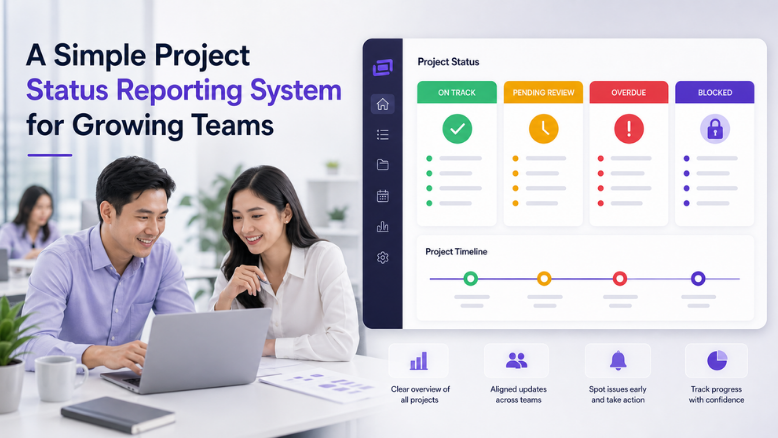
Status labels should be simple enough for the whole team to use consistently. Avoid creating too many labels that sound similar. If staff cannot tell the difference between "processing," "ongoing," and "in progress," reporting will become messy. For most SME teams, a practical set may include:
The value is not in having fancy labels. The value is in everyone using the same language. Once status labels are consistent, managers can see where work is stuck without asking each person separately.
Document Decisions Where the Work Happens
Build Accountability Without Micromanaging
Accountability does not require managers to watch every small action. It requires a workflow where responsibilities are visible and updates are easy to review. Managers should be able to answer:
When this information is visible, managers can step in where needed instead of following up randomly. Staff also benefit because expectations are clearer.
Frequently Asked Questions