How to Prevent Missed Deadlines With Clear Project Visibility
Most missed deadlines do not happen suddenly. They build up quietly over weeks. A task sits in someone's inbox waiting for approval. A staff member is juggling five things at once. A handover happens over WhatsApp and gets buried under other messages. By the time a manager finds out, the deadline has already passed. For Malaysian SMEs, this pattern is more common than most teams want to admit. Businesses here are often running client work, internal requests, supplier follow-ups, campaigns, admin tasks, and management approvals in parallel — sometimes with lean teams of fewer than 20 people. Without clear project visibility, leaders end up depending on manual updates, weekly check-ins, and last-minute chasing. Preventing missed deadlines is not about pushing people harder. It is about making the work visible early enough for the team to act.
Why Deadlines Get Missed
Many missed deadlines come from unclear workflow design rather than poor effort. According to the Project Management Institute, poor communication and unclear ownership are among the top causes of project failure globally — and the pattern holds true for small and mid-sized businesses as much as large enterprises. A team can be genuinely busy every day and still lose track of what matters most. The work exists. The effort is real. But without visibility, the right tasks are not reaching the right people at the right time. Common causes include:
When these issues repeat week after week, sending more reminders will not solve anything. The business needs a clearer way to see project health before problems escalate.
1. Put Every Important Task in One Shared System
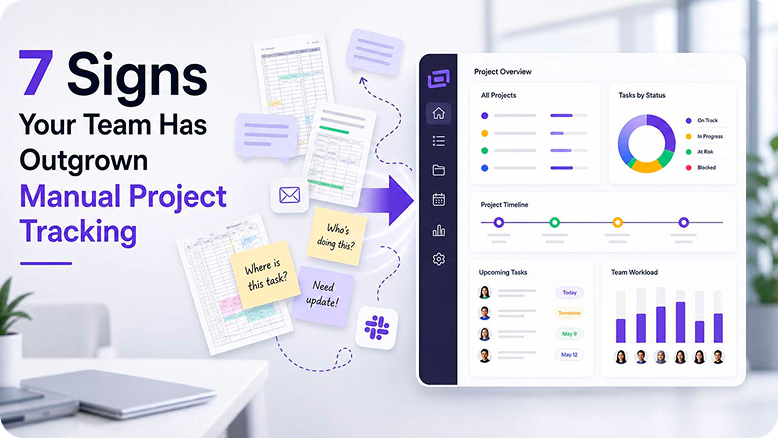
The first step is to avoid hidden work. If important tasks live in personal notebooks, private chat messages, or separate spreadsheets, managers cannot see the real workload. A shared system does not need to be complicated. It should show:
This gives the team one place to check what needs attention. It also reduces the risk of someone assuming another person is handling the task. A structured project management system can help teams centralise this information, especially when multiple departments need to coordinate around the same deadline.
2. Use Statuses That Show Risk, Not Just Progress
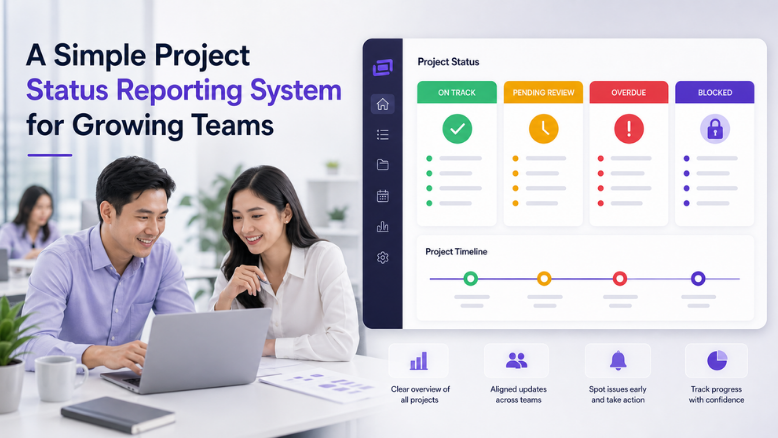
Most teams use status labels that only tell you whether work has started. That is not enough. Managers need to see where work might break down, not just where it is. "In Progress" is the most common example of a misleading status. It can mean the task is moving well, it can mean it is waiting for a client reply, it can mean it is blocked by an approval, or it can mean it is three days overdue and nobody has said anything. More useful status labels include:
"At Risk" is particularly valuable. It gives team members permission to raise a concern before a deadline is missed — which signals that action is needed, not that someone has failed. That small cultural shift makes a real difference in how teams communicate.
3. Track Dependencies Clearly
A deadline is only realistic if the steps before it are visible. For example, a proposal cannot be submitted until pricing is approved. A campaign cannot launch until creative assets are reviewed and approved. A new staff onboarding process cannot start until access permissions are ready. If dependencies are not tracked, the final owner may receive the blame even though the delay started earlier. To improve visibility, each project should show:
This helps managers intervene earlier. Instead of asking why the final task is late, they can see which dependency is slowing the project down.
4. Create a Weekly Deadline Review
Clear visibility needs a rhythm. A weekly deadline review helps teams spot risks before they become urgent. The review should focus on practical questions:
This does not need to become a long meeting. If the system is updated properly, managers can review the dashboard first and discuss only the exceptions. The goal is to solve blockers, not read every task aloud.
5. Make Workload Visible
Deadlines are often missed because the same reliable people receive too many tasks. Without workload visibility, managers may keep assigning work to the person who always responds quickly, while quieter team members have spare capacity. A useful project system should show workload by the owner. This can be simple: number of active tasks, overdue tasks, high-priority tasks, or tasks due this week. Workload visibility helps managers redistribute work before deadlines fail. It also supports healthier team culture because delays are addressed as capacity issues, not personal shortcomings.
6. Automate Reminders Carefully
Reminders can help, but they should be designed carefully. Too many reminders create noise and people start ignoring them. Useful reminders include:
Automation should support a clear process. If the workflow is messy, automation may simply send more alerts without solving the root issue. The better approach is to fix the process first, then use automation to reduce manual chasing.
7. Make Deadline Changes Visible
In real business operations, deadlines sometimes change. The problem is not the change itself. The problem is when the change is not communicated clearly. If a deadline changes, the task should show:
This creates accountability without unnecessary blame. It also helps managers understand whether delays are one-off issues or signs of a deeper workflow problem.
Conclusion
Preventing missed deadlines starts with visibility. Teams need one shared place for tasks, clear owners, useful statuses, visible dependencies, workload awareness, and a regular review rhythm. For Malaysian SMEs, this does not need to be complex. A practical system can help managers see risks early, support staff before problems escalate, and keep projects moving with less chasing. Deadlines become easier to manage when the team can see the work clearly. If your team is ready to move beyond manual reports, ClickSmart can build your reporting workflow using ClickUp, Lark, or Meegle. Book a free consultation to get started.
Frequently Asked Questions