A Simple Project Status Reporting System for Growing Teams
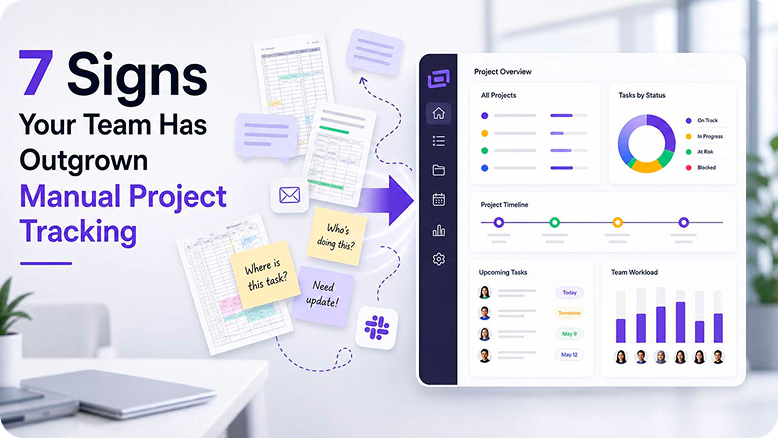
As a business grows, project updates can become harder to trust. One department says the work is almost done. Another team is still waiting for information. A manager prepares a weekly report, but half the updates come from memory, chat messages, or a spreadsheet that not everyone uses. For Malaysian SMEs, this is a common stage of growth. The team is no longer small enough for verbal updates, but the reporting process has not matured yet. The answer is not always a complicated dashboard. Many teams first need a simple project status reporting system that is clear, consistent, and easy to maintain. A good reporting system helps leaders see what is moving, what is stuck, and what needs attention. It should reduce follow-ups, not create more admin work.
What Project Status Reporting Should Actually Do
Project status reporting is not about filling in a template for the sake of management. It should help the team make better decisions. A useful status report should answer five practical questions:
If a report does not help answer these questions, it may be too decorative or too detailed. Growing teams need reporting that is simple enough to update weekly and clear enough for managers to act on.
Start With Standard Status Labels
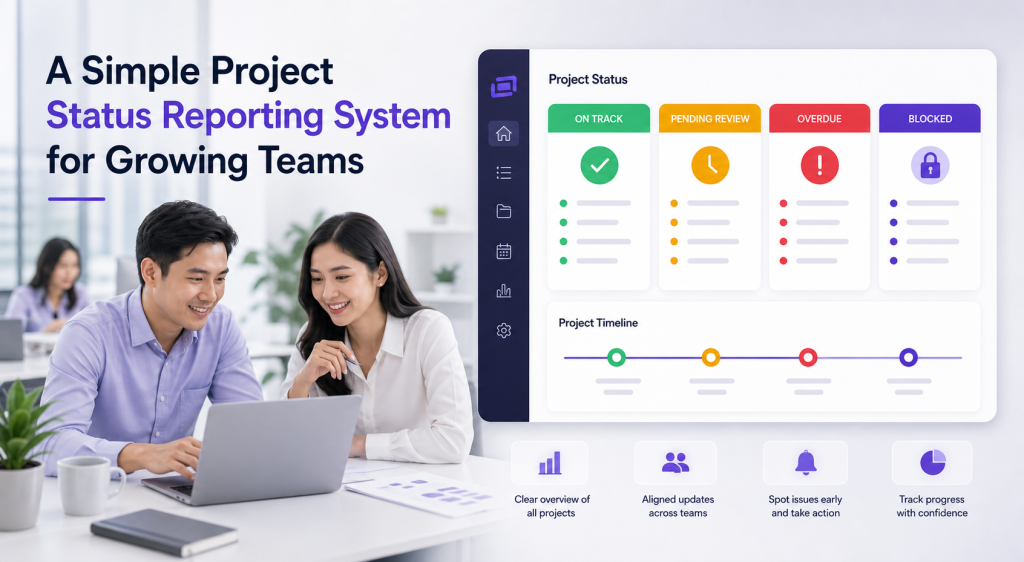
The first step is to standardise status labels. If each person describes progress differently, reports become difficult to compare. For example, one staff member may write "ongoing," another writes "almost done," and another writes "pending." These labels may sound acceptable, but they do not tell the manager what action is needed. A simple SME-friendly status structure could be:
These labels create a shared language. Once everyone uses the same terms, reporting becomes faster and more reliable.
Capture the Right Details, Not Every Detail
Many reports fail because they try to track too much. A project status reporting system should focus on the information managers need to make decisions. At minimum, each project or task should include:
This is enough for most weekly reviews. Extra fields can be added later, but only if they serve a clear purpose. For example, a client servicing team may need client name and campaign stage. An operations team may need a branch, request type, or approval level. ClickSmart's approach is usually to design the reporting logic before building dashboards. This prevents teams from creating impressive-looking reports that do not match the real workflow.
Make Updates Part of the Work
Use a Weekly Review Rhythm
Even a simple reporting system needs a review rhythm. Otherwise, data is collected but not used. A practical weekly rhythm might look like this:
The rhythm should match the business. A fast-moving sales or service team may need more frequent checks. A back-office improvement project may only need weekly review. The key is consistency. Managers should avoid turning every review into a long meeting. If the system is clear, the meeting can focus on exceptions: blocked items, delayed work, upcoming risks, and decisions needed.
Build a Simple Dashboard Only After the Basics Work
Dashboards are helpful, but only when the source data is clean. If task owners, deadlines, and statuses are inconsistent, the dashboard will simply display messy information in a nicer format. Before building a dashboard, check whether the team can consistently update:
Keep the Report Honest
A trustworthy reporting system should make problems visible early. Teams sometimes avoid marking work as blocked because they worry it looks bad. This creates bigger problems later. Leaders should treat "Blocked" as useful information, not failure. If a task is blocked because approval is pending, the manager can help. If the team hides the blocker, the delay may only appear when the deadline is already missed. Good reporting culture matters as much as reporting tools. Staff should feel safe to raise issues early, and managers should use the report to remove obstacles rather than assign blame.
Final Thought
A simple project status reporting system can make a growing team much easier to manage. Start with clear status labels, capture only useful fields, make updates part of daily work, and review the report consistently. For Malaysian SMEs, the best reporting system is one the team can actually maintain. It should give managers visibility without slowing everyone down. When the workflow is clear, reporting becomes less about chasing updates and more about making better decisions.
Frequently Asked Questions